
Maintaining a Water Smart Home
Looking for ways to save money, conserve water, and prevent costly damage to your property?
OMWD created a checklist to help you maintain a water-efficient home. Some of the tasks below may require that you contact a plumber, landscaper, or other professional, such as a certified backflow tester.
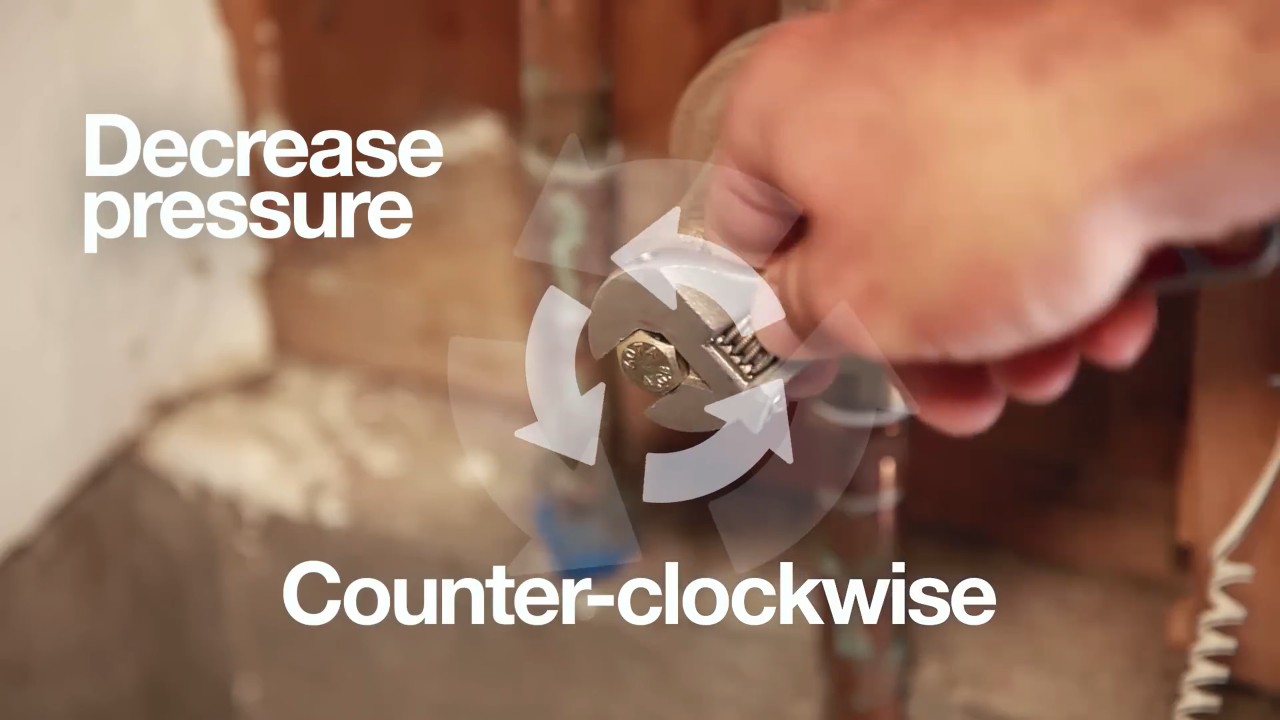
Adjusting a pressure regulator with a wrench
Higher pressure can damage appliances, irrigation systems, and plumbing fixtures. High pressure can also cause faucets to leak and toilets to run constantly.
Most customers in OMWD’s service area have installed a pressure regulator on their plumbing system to protect against high pressure. It is the property owner’s responsibility to maintain their pressure regulator and replace it when necessary to ensure ideal water pressure.
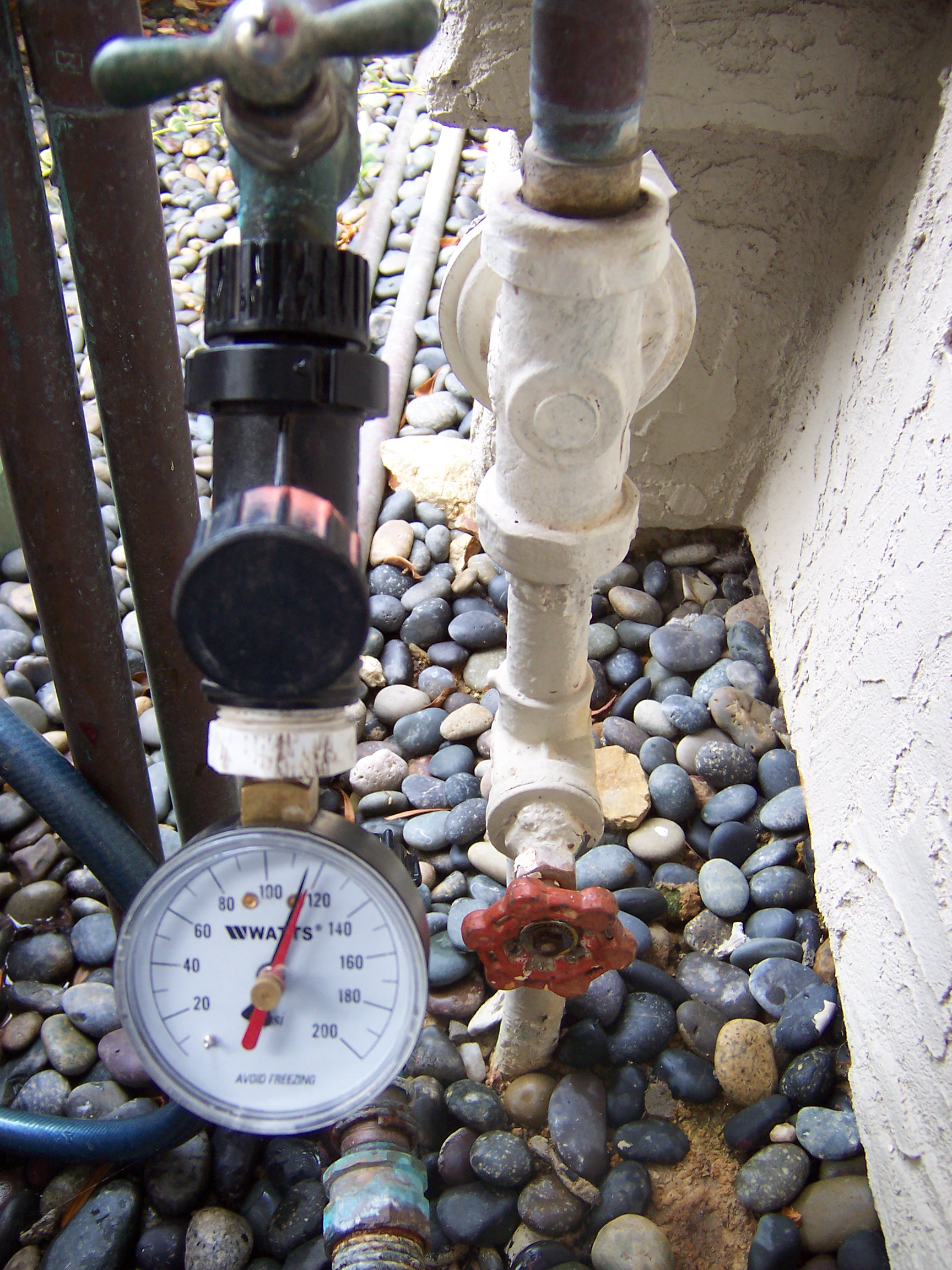
Using a pressure gauge to check home water pressure
Customers can check the pressure (should be no higher than 80 psi to protect indoor appliances) coming into their home or business. The most accurate method is to buy a pressure gauge from a local hardware store and hook it up to a hose bib. Check the pressure when all water-using fixtures and appliances are turned off. Inspect pressure regulator(s) and check pressure at least once per year.
Pressure-regulating devices are also available for irrigation systems, and can improve water use efficiency by reducing misting.
View our “Your Water Pressure” video to learn more. It includes a tutorial on adjusting your pressure regulator.
To protect our water system against potential risks from private plumbing systems, OMWD requires certain customers to install backflow prevention devices at their meter.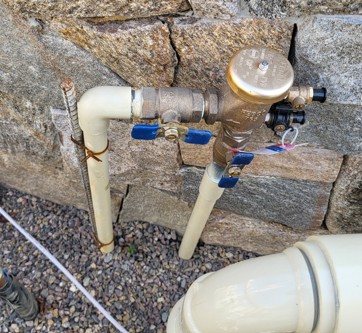
California requires devices to be tested annually by a certified tester. Failing to test could result in fines and fees charged for service disconnection.
Annual testing ensures your device is working properly, preventing unhealthy water (such as stagnant water in a fire sprinkler system) from entering the municipal water supply.
To learn more and to view a list of certified backflow testers, visit our Cross-Connection and Backflow page.
OMWD’s online tool provides information about your water use in near real time.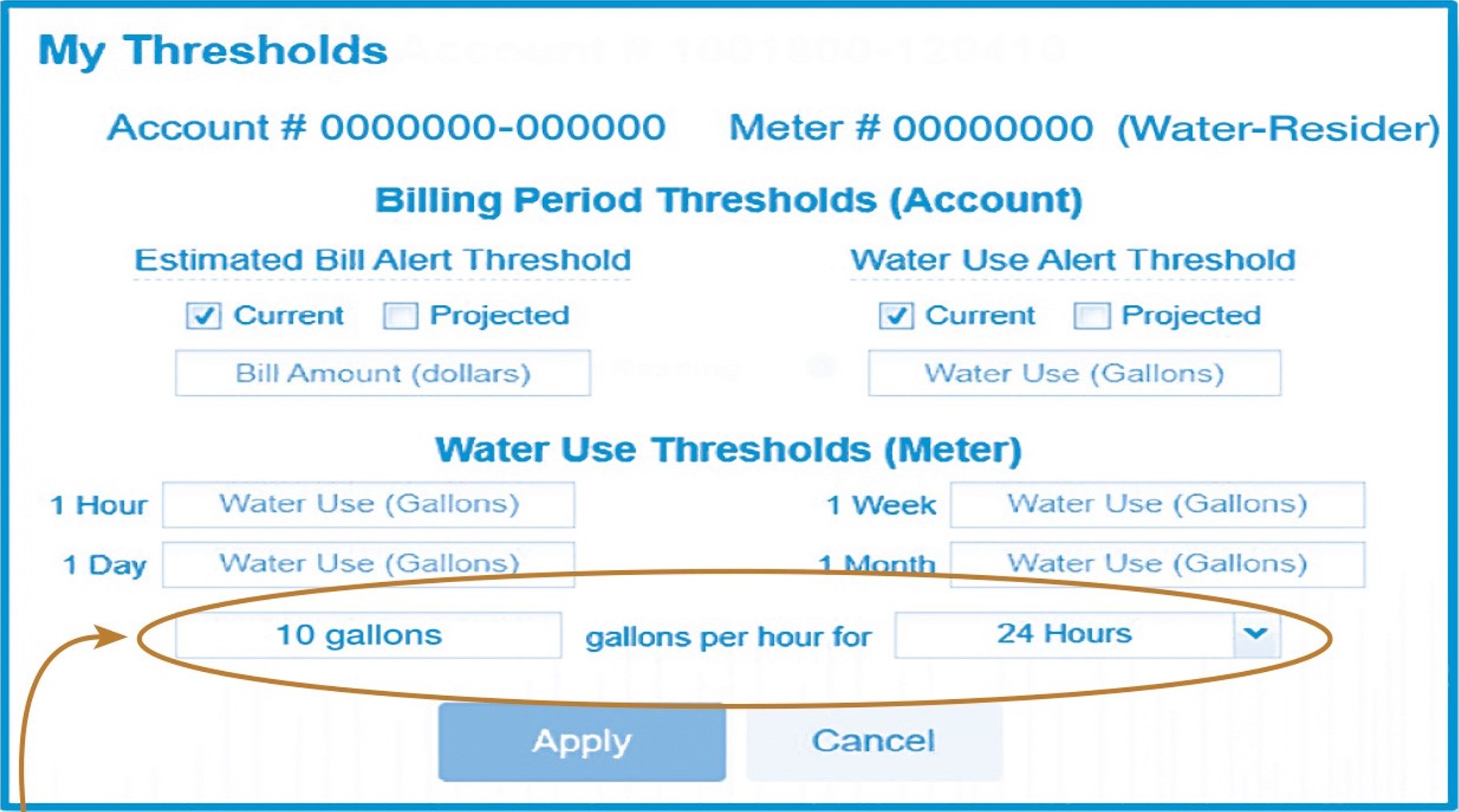
Setting up leak and high bill alerts can prevent surprises on your water bill. Adjust your alert settings whenever you change your irrigation timer in spring and fall, as water use can change with the seasons.
Learn more, including a tutorial video for setting alert thresholds, on our My Water Service page.
Identifying corrosion and weak spots in the water tank can help you prevent sudden ruptures and costly water damage. Removing sludge and sediment from the bottom of your water tank can improve the efficiency and lifespan of your water heater.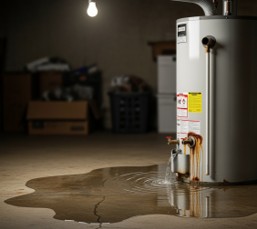
Most tank water heaters recommend an annual flushing. Hard water can lead to buildup more quickly, and you may need to perform maintenance more often.
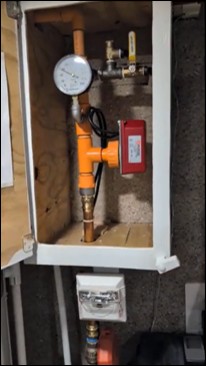
Some homes have fire sprinkler systems that are served by a dedicated water meter. If you have a fire sprinkler system, inspect and test it at least annually to ensure it works when you need it most.
Important: If a fire alarm service company monitors your fire sprinkler system, notify them before testing it. Verify that the monitoring company gets a signal from your fire sprinkler system.
If you have an inspector’s test valve, Rancho Santa Fe Fire Protection District suggests testing it regularly to flush any stagnant water. Open the test valve slowly, and water should come out.
Listen for the alarm bell, if your system has one. Once the alarm bell sounds, turn off the valve. If the alarm bell does not sound, contact your fire alarm service company. The test will also let you hear what running water sounds like in your fire sprinkler system, so you can tell whether you need to investigate issues in the future.
Be sure you know where your riser is. You can often find it in a cabinet on the garage wall. Inspect the main riser to ensure that there is adequate water pressure. Additionally, check water flow control valves and look for signs of leakage. You can contact a licensed fire sprinkler contractor for advice or repairs.
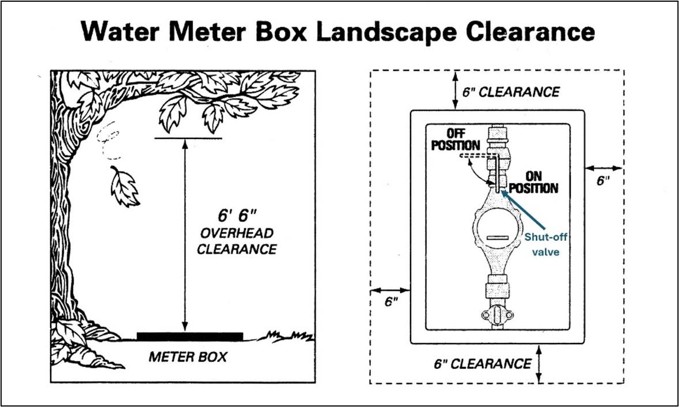
Check the area around your meter box in the spring and the fall to ensure that you and OMWD can easily locate and access your water meter. This is especially important during an emergency so that you can stop the flow of water to your property if necessary.
Please keep the area six feet above the meter box and six inches around the box clear of vegetation, hardscape, or other materials.
It’s also good practice to exercise the customer-side shut-off valve annually. By slowly turning it off and then back on, you help ensure you will be able to stop the flow of water to your property in an emergency.
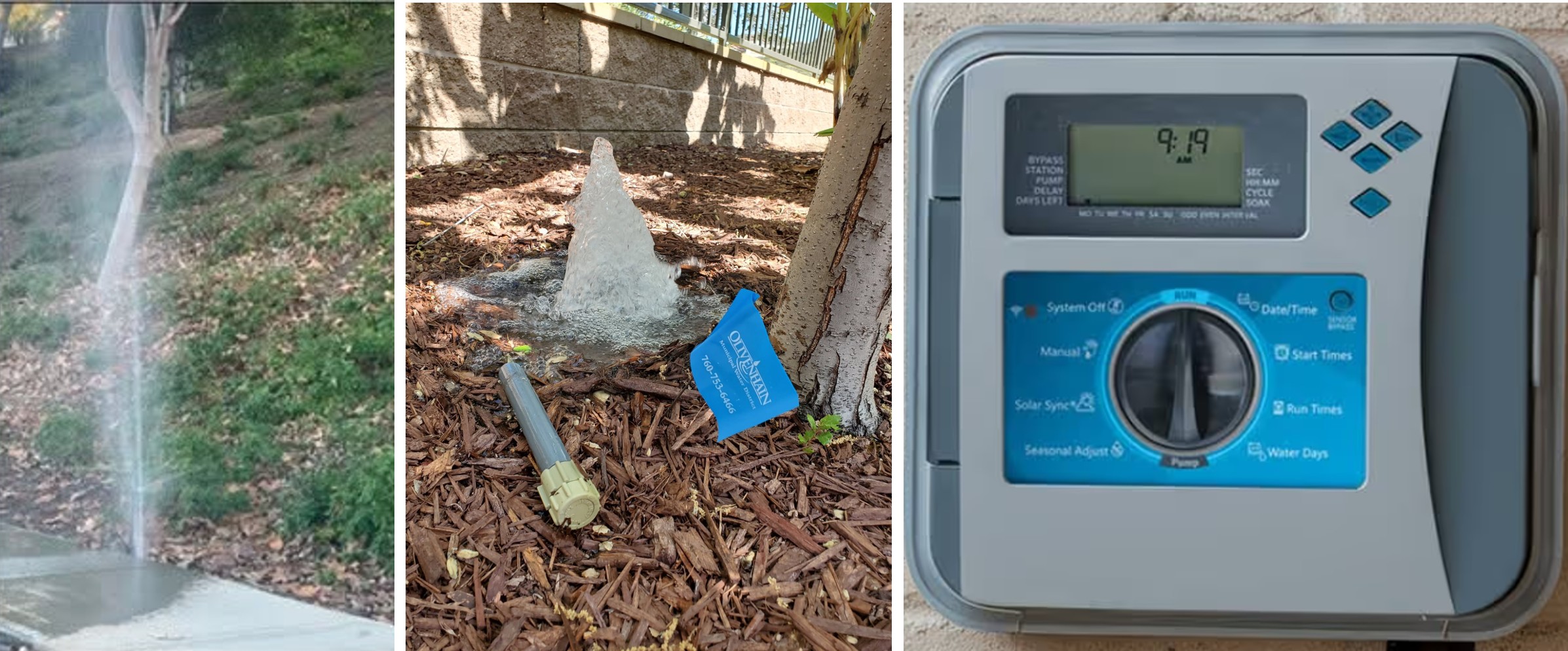
Regularly inspecting an irrigation system will help you avoid unchecked leaks that can waste thousands of gallons of water, leading to high water bills.
US Environmental Protection Agency has tips on performing a “Sprinkler Spruce-Up.” If you suspect a leak in your irrigation system, use our guide to investigate.
Adjust your irrigation schedule in spring and fall to maximize water use efficiency. Landscapes need less water during the shorter, cooler days in late fall and winter. See how much water your landscape really needs at www.bewaterwise.com/calculator.html.
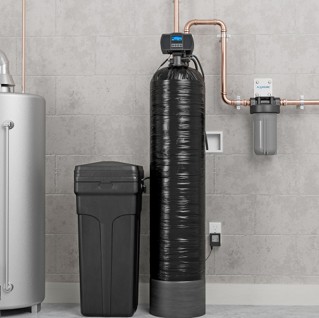
Maintaining your water softener can prevent costly repairs, avoid reduced water flow, and extend the system’s lifespan.
Contact your vendor for specific guidance for your system.
Not changing your water filter (e.g., refrigerator or whole-house system) can reduce water flow, result in bacteria growth, and possibly damage your refrigerator’s water pump.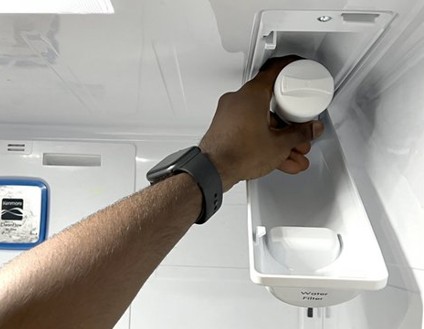
A suddenly slowed or trickling stream can mean the filter media is clogged with trapped sediment or debris. A metallic taste or musty odor can also indicate that the filter needs to be changed.
Even small leaks can cause a spike in water usage, increasing your water bill. For example, a silent toilet leak can waste hundreds of gallons of water a day, and a dripping water faucet can waste up to five gallons per day.
Walk your property periodically to identify potential leaks. Check for toilet leaks, a garden hose left running, and if the pool autofill is stuck “on.”
If you need help investigating a potential leak, follow the steps in this video tutorial.
Does your home’s plumbing have a smart flow-monitoring device (like Moen Flo or Phyn)? These devices detect unusual or inconsistent water usage and have automatic and remote water shut-off capabilities to save you water.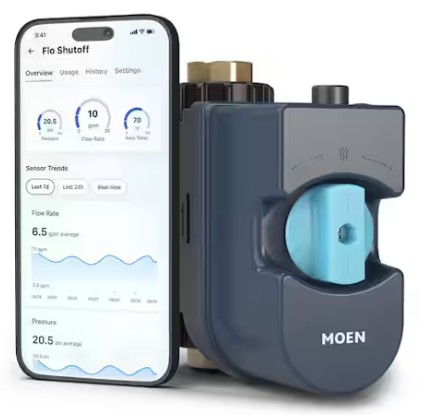
- Ensure that your device’s phone app is kept up to date with the latest software.
- Does everyone who may need to turn the device on and off have the app installed on their phone?
For more information, visit www.olivenhain.com/outage.